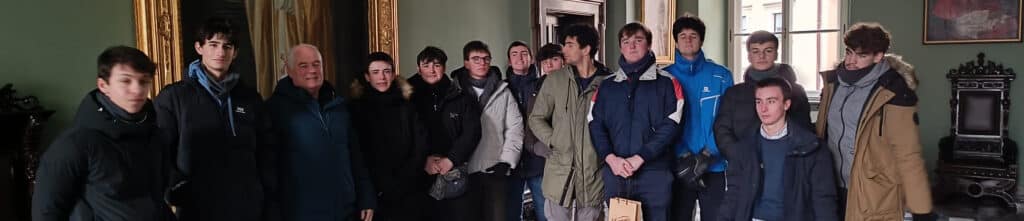
Today we continued our tour of Krakow by visiting some of the most significant and memorable places in the city.
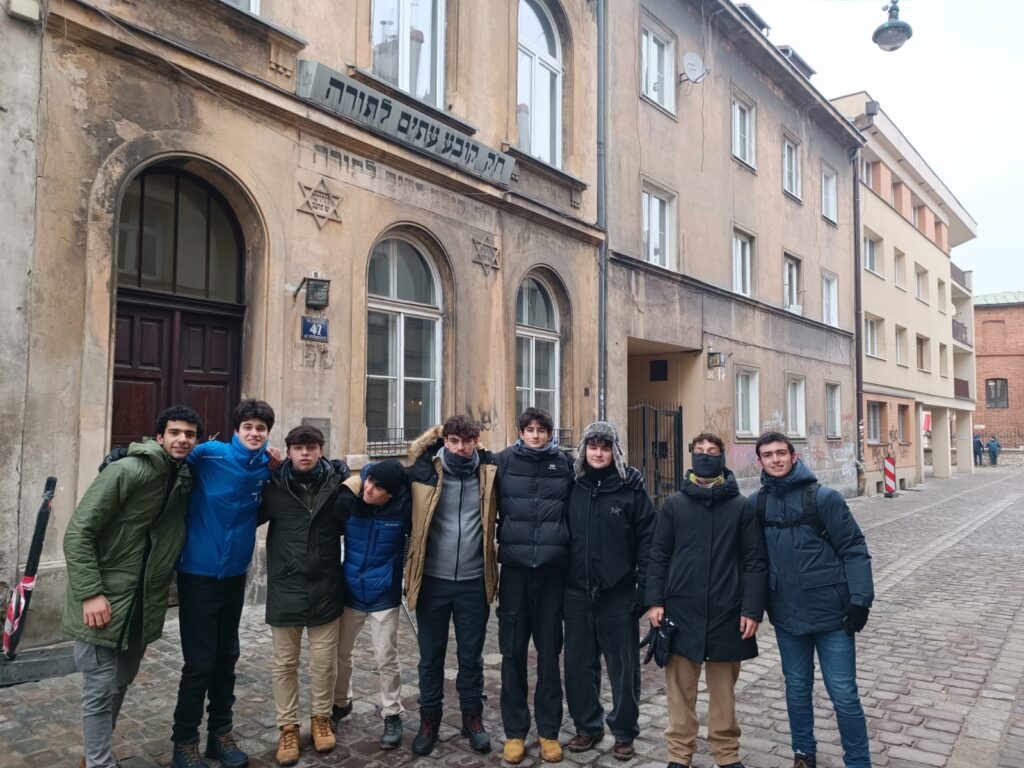
The day has started with us entering the Kazimierz Jewish Quarter, The streets, the synagogue and the cemetery. Strolling through this neighbourhood has allowed us to get closer to the history of a community that formed an essential part of Kraków for centuries and whose mark is still very much present.
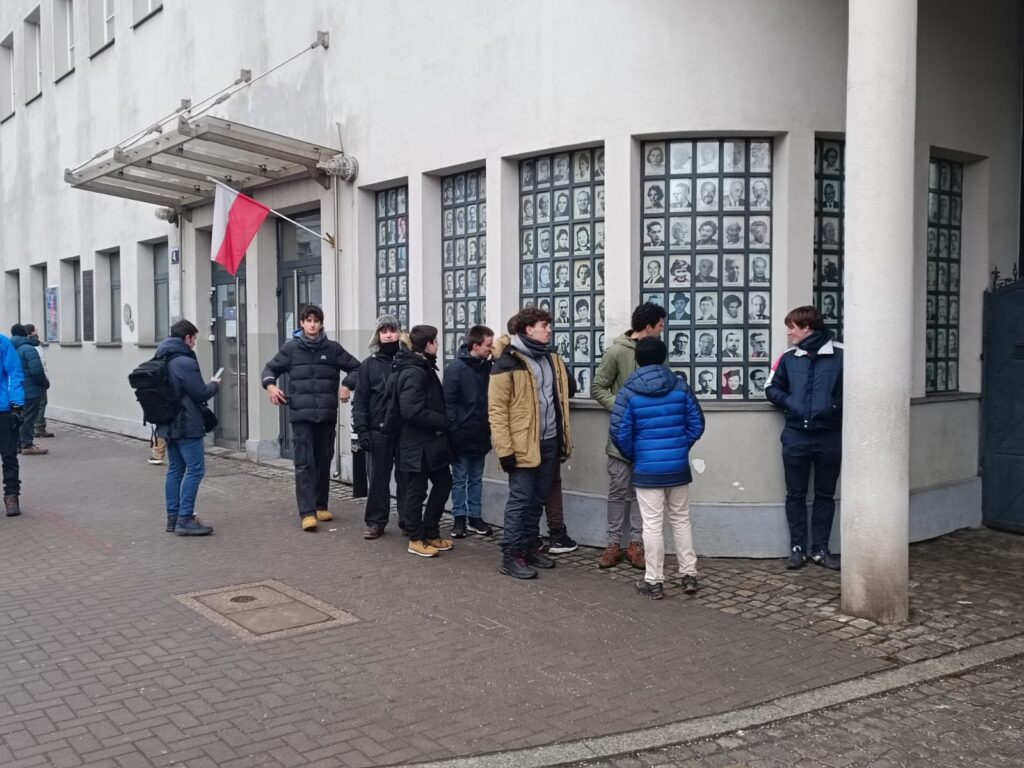
The visit to the Oskar Schindler factory has completed this journey through the history of the Jewish people in Kraków. Known for the history that inspired Schindler's List, There, we have come to understand better how, in the midst of the horror of Nazism, there were people who were able to risk everything to save lives. Jews who managed to escape almost certain death in Auschwitz thanks to their employer worked in this factory. The silence during the visit spoke louder than any explanation.
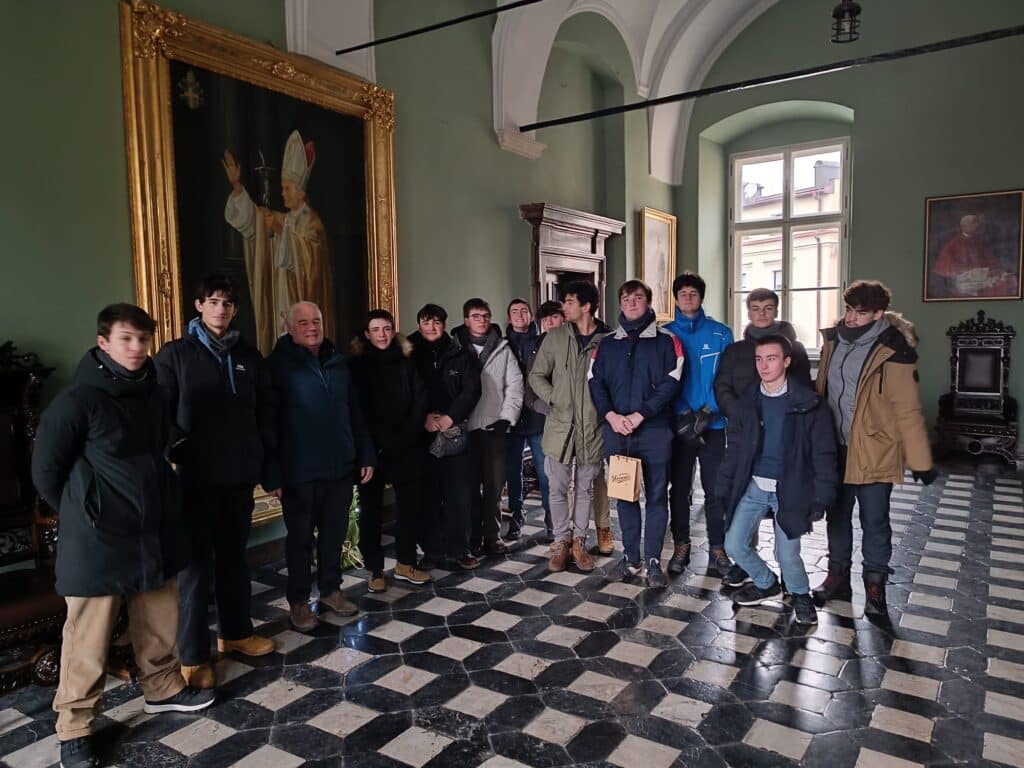
One of the most special moments of the day has been the Mass in the Archbishop's Palace, celebrated in the chapel where Karol Wojtyła was ordained a priest on 1 November 1946.. Being there has helped us to get to know better who St John Paul II was and to situate his story in the real places where it all began.
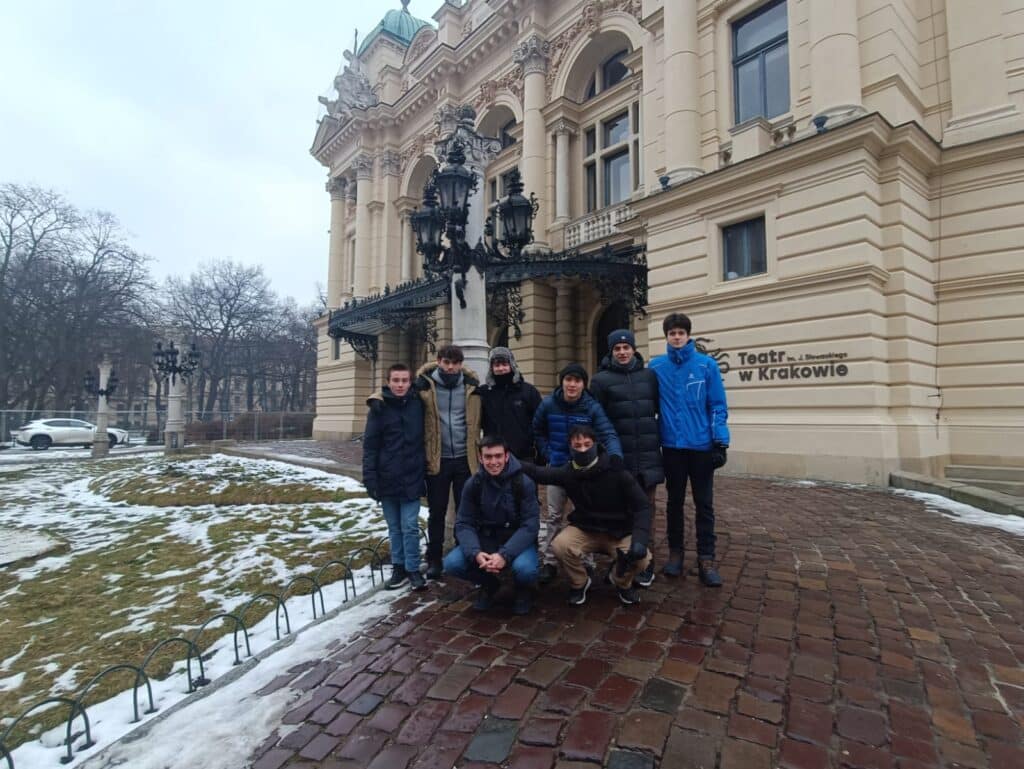
Then we went through the Juliusz Słowacki Theatre, One of the most important cultural buildings in Krakow, built in the 19th century. We were struck by its façade and its presence in the city, which shows the importance of theatre and culture in the life of Kraków.
We then visited the Barbakan, The fortress, an ancient fortress that was part of the city's defensive wall. From there we were able to imagine how Kraków was protected in former times and to better understand why this city was for centuries a key strategic location.
The afternoon took us to discover some of the symbols of the city. We visited the Kraków Dragon, The legendary figure and emblem of the city, who has reminded us how history and popular tradition are also part of the city's identity.
It has been an intense day, marked by memory, culture and faith. Krakow continues to speak powerfully to us, and we continue to learn to listen.