For many expat families in Bilbao, the move begins with a job offer and a start date. For the rest of the family, the timeline is less clear. There is a home to find, a school to choose and a partner’s career to consider. While the adults compare neighbourhoods and work out the school run, a younger child may be wondering who will sit next to them at lunch. A teenager may be thinking about how to stay close to friends they used to see every day.
Some of these questions can be answered before the move. Others only become clear once the family starts living here. Knowing someone who can explain how a school day works, share what helped their own children settle in or simply invite the family over can make a considerable difference in those first months.

One move, several different beginnings
The person starting a new job usually has a team to join and a reason to be somewhere on Monday morning. Their partner may be working remotely, looking for a job or taking time to work out what comes next. They may also be handling much of the move, getting to know the city through appointments and errands before they have had much chance to meet people socially. Having somewhere to go and someone expecting you there is an ordinary part of working life. After a move, its absence can be felt quite sharply.
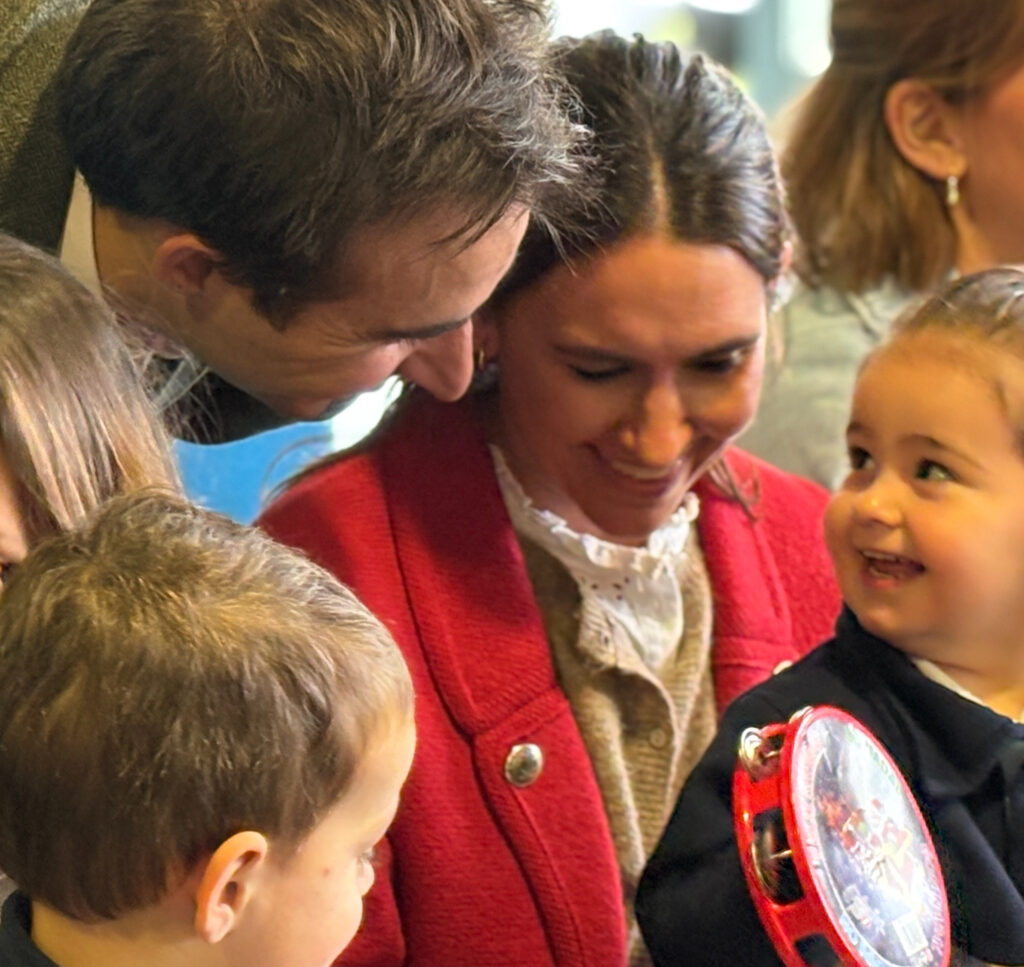
Children leave behind familiar routines of their own. At their old school, they knew how games got started at break time, where their friends would be at lunch and which adult to turn to when something was bothering them. Learning those small things again takes energy. One child might make friends quickly while a sibling still misses their old class. A teenager can be excited about life in a new city and still want to spend Friday evening talking to friends back home. The move can be going well and still feel hard on some days.

What another family can tell you before you arrive
When you are comparing Bilbao, Getxo and Leioa from abroad, a map can help you understand where things are. A parent who makes the journey every morning can tell you what it is like with two children starting at different times, or how the school run fits around work. They may know which activities give children a chance to see classmates outside school, or what options families have when pick-up and training are on opposite sides of town.

Families who have moved countries themselves often remember which decisions felt urgent from abroad and which made more sense after a few weeks on the ground. They might talk about how they organised their first week, what they asked the school before arriving or what they wish they had known about joining halfway through a term. Hearing how someone else handled those decisions gives a family a starting point for making its own. It also gives them someone to turn to when a question comes up that they could hardly have anticipated from home.
How children begin to feel part of a school
A child’s first connection at school may come through something they already enjoy. A pupil who played handball back home, likes drawing or looks forward to science lessons has something to share with a new classmate. It helps when a teacher knows those details before the child arrives. It also helps when someone explains the things everyone else takes for granted, such as where to leave a bag, how lunchtime works or whether they can join a game that has already started.

Language can make the social side of school especially tiring. A pupil might follow a lesson comfortably and still find it difficult to jump into a fast-moving conversation in the playground. Teachers and parents see different parts of that experience. A child who seems settled in class might tell their parents they spend break time alone. A teacher might notice that the same child has started asking a classmate for help. A conversation after the first few weeks can bring those observations together and help the adults see where the child still needs support.
A support network for the whole family
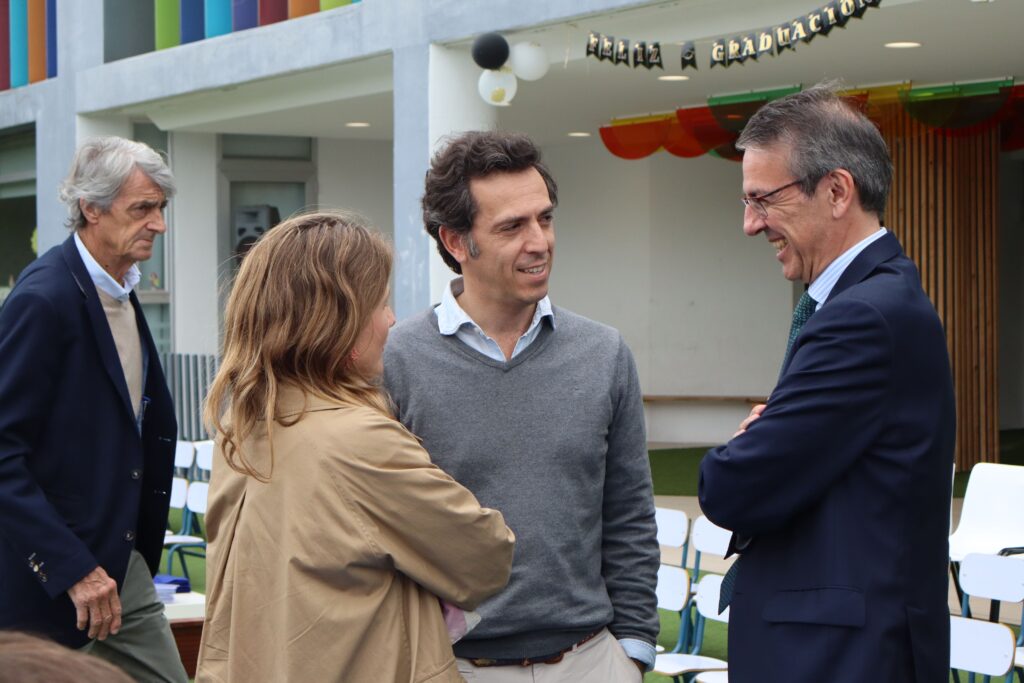
Once the boxes are unpacked and the school run is familiar, parents may find they still have few people to call on a Saturday. Their children might already have plans while they are still working out how to build a social life of their own. This is where a specific invitation can help. “We’re going for a walk along the coast on Saturday. Would you like to come?” gives everyone a time and a place to meet. A coffee after drop-off or an introduction to another family who arrived last year can give parents a chance to talk about how the move is going.
There is particular comfort in meeting someone who has been through something similar. They remember what it was like to miss home while enjoying their new surroundings, or to feel worn out after an ordinary errand because everything took a little more thought. Local families bring a different kind of knowledge. They know the places and routines that can give newcomers a way into everyday life. Both kinds of support often begin with a small gesture and grow through seeing each other again.
What a school community can make possible
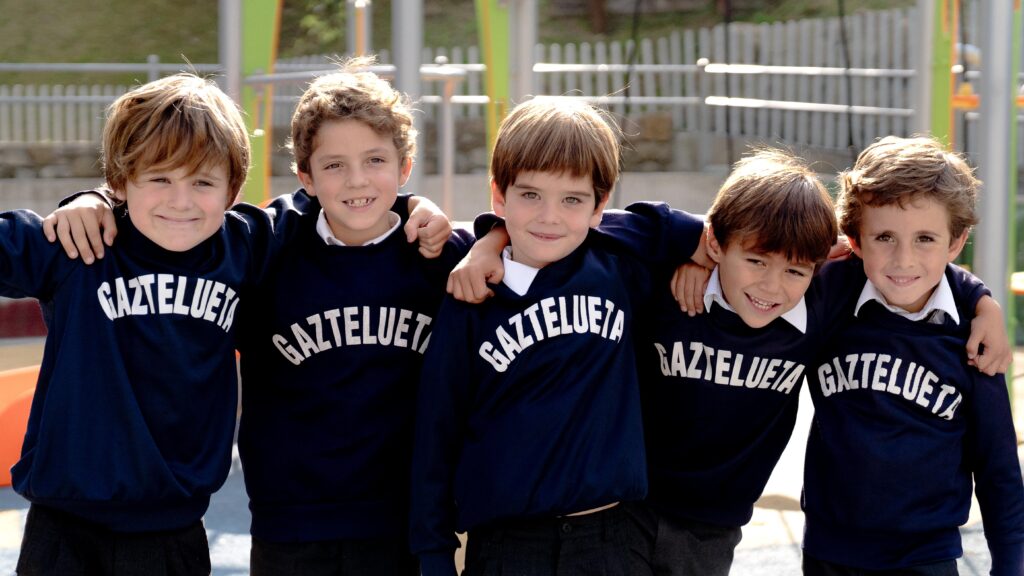
At Gaztelueta, in Leioa, everyday school life gives families reasons to meet. They see one another at pick-up, at sports activities or at school celebrations. A conversation that starts with a question about training times can lead to two children getting together at the weekend. A parent who knows the area might introduce a newcomer to someone who arrived from abroad a few years earlier. Over time, those introductions can help families form friendships of their own.

New families also bring their own languages, traditions and ways of seeing things. Some eventually become the people best placed to welcome the next family. They remember the question they hesitated to ask, how their child felt on the first morning and who first invited them round. A year later, they may be the ones saying, “We’re going out on Saturday. Come with us.”